


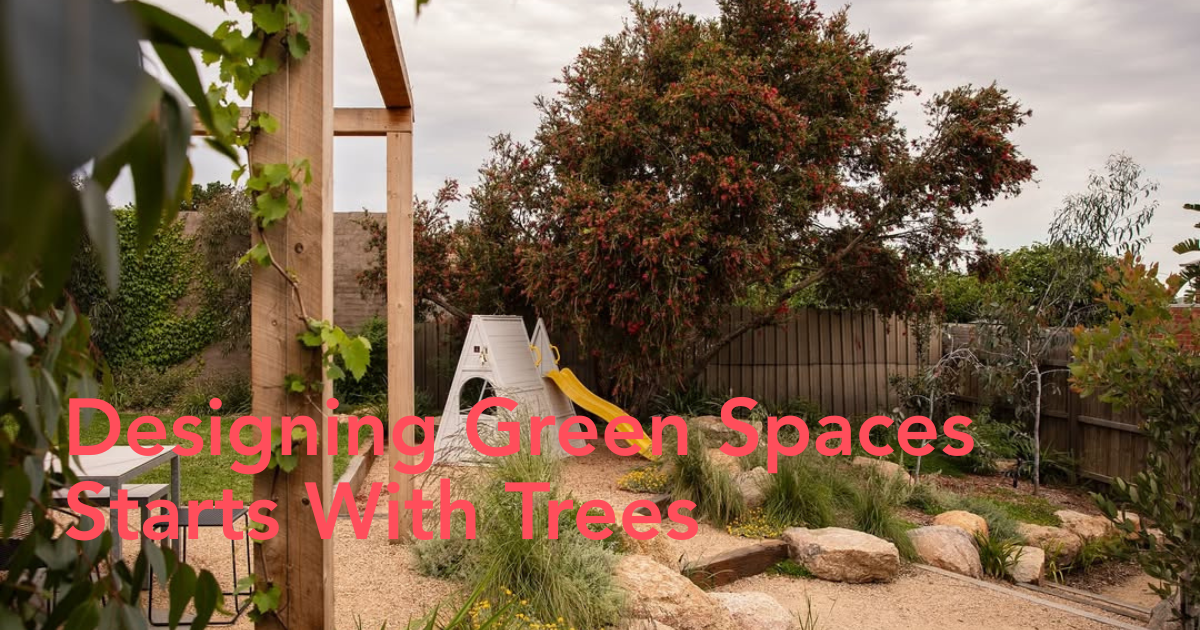
As someone who’s worked in and around landscape design for years, I’ve noticed something surprising. We plan every detail of a green space-the pathways, flower beds, lighting, even water features-but often overlook the biggest and oldest living elements on the site: the trees.
Whether it’s a private garden, a public park, or a commercial project, trees are more than just background greenery. They are structure, shade, memory, and habitat. Yet in many design processes, they’re added late-or worse, removed without a second thought.
Today, that’s starting to change. Thanks to advances in tree management software and a broader cultural shift toward sustainability, more designers, developers, and municipalities are finally giving trees the attention they deserve. You can also read our article: Green Spaces: The Key to Entrepreneurial Wellness

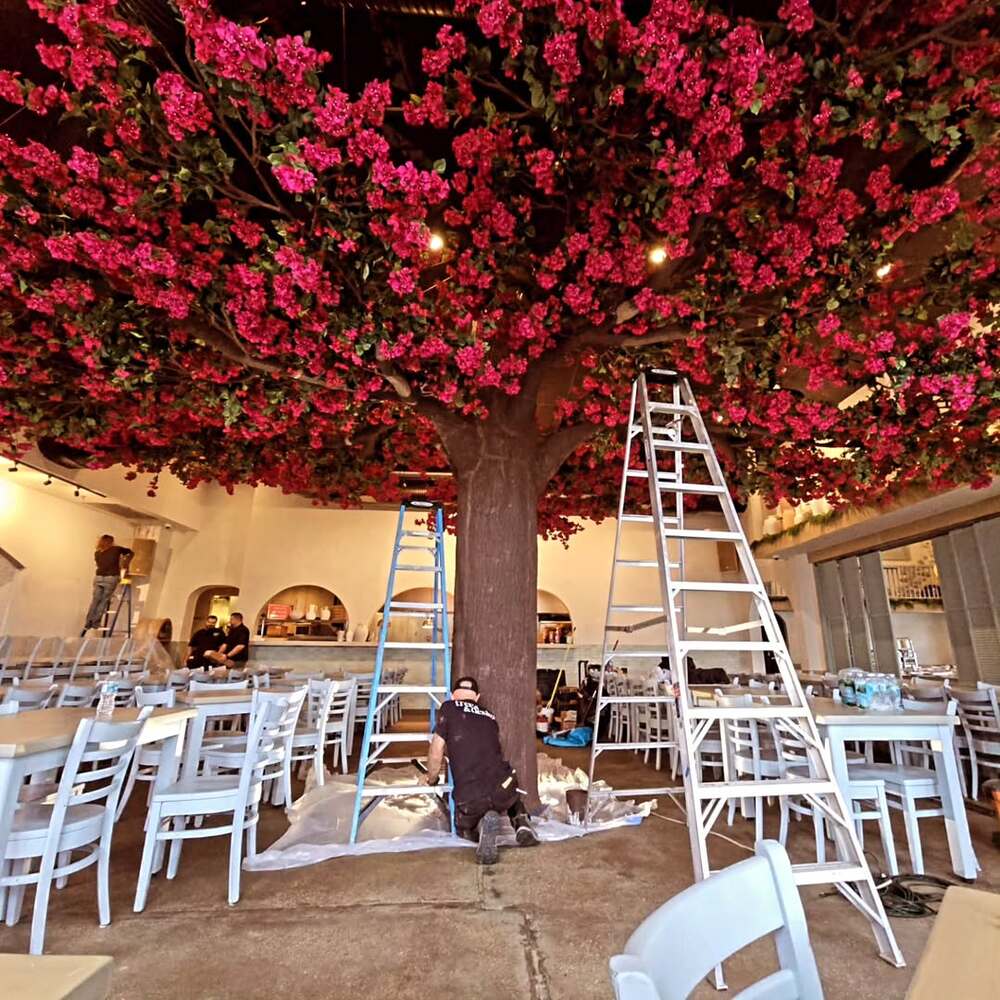
Trees Are Not Decorative Afterthoughts
Let’s be honest. In traditional design workflows, trees have often been treated like extras on a film set-static, optional, and replaceable.
But trees aren’t just visual. They shape wind and light. They change temperature. They define microclimates, offer privacy, and support biodiversity. Some of them have been alive longer than the buildings we design around them. Modern tree management software helps designers and planners track, protect, and integrate these vital elements into development projects more effectively.
A single mature tree can:
- Reduce surrounding temperatures by several degrees
- Absorb hundreds of litres of stormwater
- Provide habitat for dozens of species
- Increase property values and enhance public well-being
When we overlook them, we don’t just lose beauty-we compromise function, ecology, and long-term sustainability.
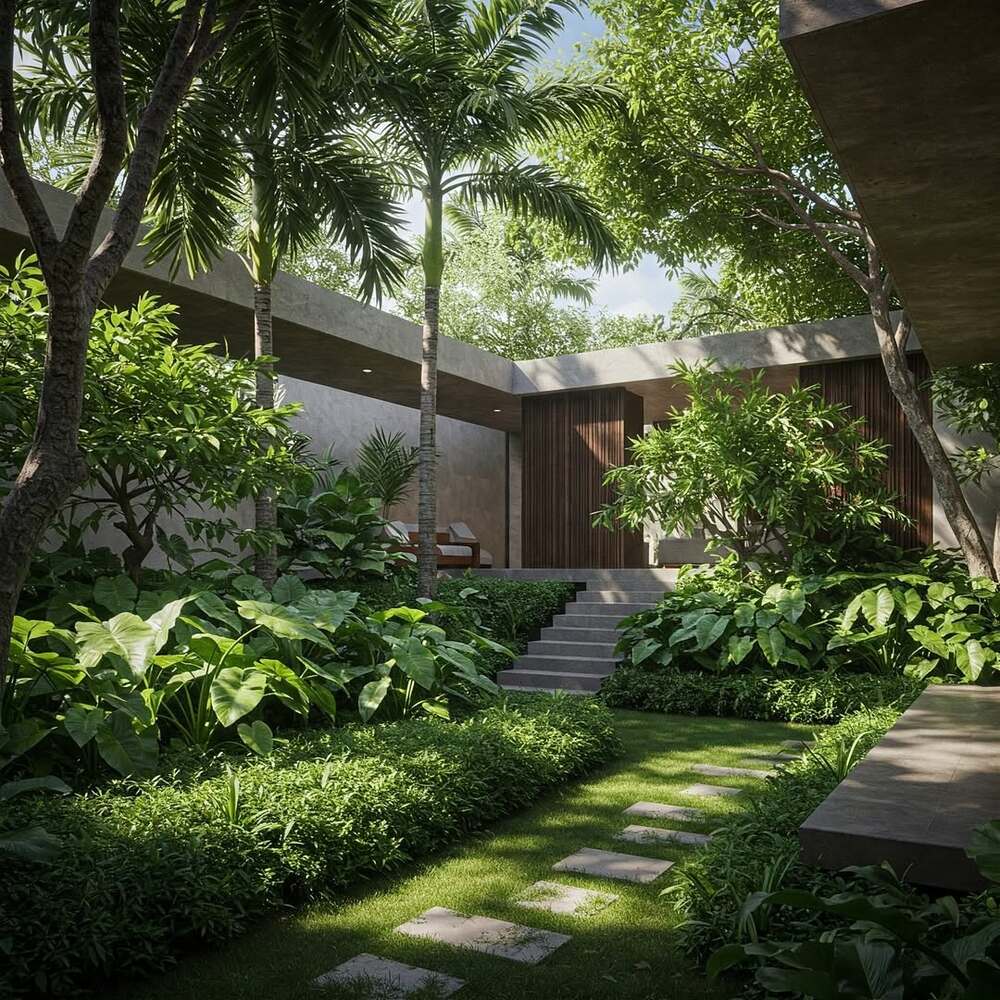
Where the Design Process Breaks Down
In many projects, tree-related decisions are made late in the process-often under pressure. An arborist may be brought in during permitting. A construction team may remove a tree without consulting the landscape architect. Or new trees might be planted post-construction, without integration into the original vision.
Here’s what’s often missing:
- A full inventory of existing trees before design begins
- Understanding of root zones and canopy spread for long-term planning
- Health assessments to determine which trees can be saved
- Clear coordination between designers, arborists, and contractors
And this isn’t just a problem in urban projects. I’ve seen it happen in rural estates, public gardens, and even botanical spaces.
Enter: Tree Management Software
Fortunately, we now have better tools to bring trees into the heart of the design conversation. Modern tree management software helps project teams digitize and centralize everything related to trees-location, species, condition, history, and future needs.
Instead of juggling hand-drawn notes or scattered spreadsheets, you can:
- View all trees on a georeferenced site map
- Tag each tree with detailed information (age, health, species, TPO status)
- Plan around root protection zones and canopy growth
- Monitor tree conditions over time with photos and inspection notes
- Share live data with collaborators-designers, contractors, or municipalities
It’s like a CRM for living assets-and it changes how we collaborate.
Designing With Trees, Not Around Them
One of the most powerful shifts I’ve seen is when design teams move from accommodating trees to integrating them. That might mean:
- Shaping a plaza around a mature oak
- Designing seating to face a tree that will change with the seasons
- Using tree groupings to create natural windbreaks or “green rooms”
- Aligning lighting to highlight canopy forms at night
When trees become focal points rather than constraints, spaces feel more grounded, timeless, and emotionally rich.
Urban Projects Need Trees More Than Ever
With cities getting denser and hotter, green infrastructure is no longer optional. Urban trees offer measurable benefits in air purification, noise reduction, and climate resilience.
But they also face serious threats:
- Soil compaction
- Root damage during construction
- Lack of long-term care or irrigation
- Vandalism and mechanical injury
When we plan trees in a vacuum and forget them after the ribbon-cutting, we waste their potential. Tree management software helps ensure that even long after project delivery, the trees you placed with care will continue to thrive.
Collaboration Between Disciplines Is Key
Great design doesn’t happen in isolation. When landscape designers, arborists, urban planners, and data specialists work together from day one, the results are remarkable.
I’ve seen entire street corridors transformed when tree data was included in early site analysis. I’ve seen forgotten orchard trees revived and turned into centerpieces. I’ve even seen budget-conscious projects stretch their impact further simply by preserving a few beautiful trees instead of installing brand-new features.
Symbolic Place in Our Designs
Trees deserve more than a symbolic place in our designs. They deserve to be understood, documented, protected, and celebrated.
If we want to create spaces that last, that evolve, that offer true ecological and emotional value-we need to start designing with trees from the very beginning.
And with tools like tree management software, that’s finally becoming easier to do. The future of green space design isn’t just flowers and forms-it’s roots, trunks, and canopies that we plan for, care for, and grow with.
link