Campus safety through design: How UNM uses architecture, landscaping and urban planning to keep campus safe
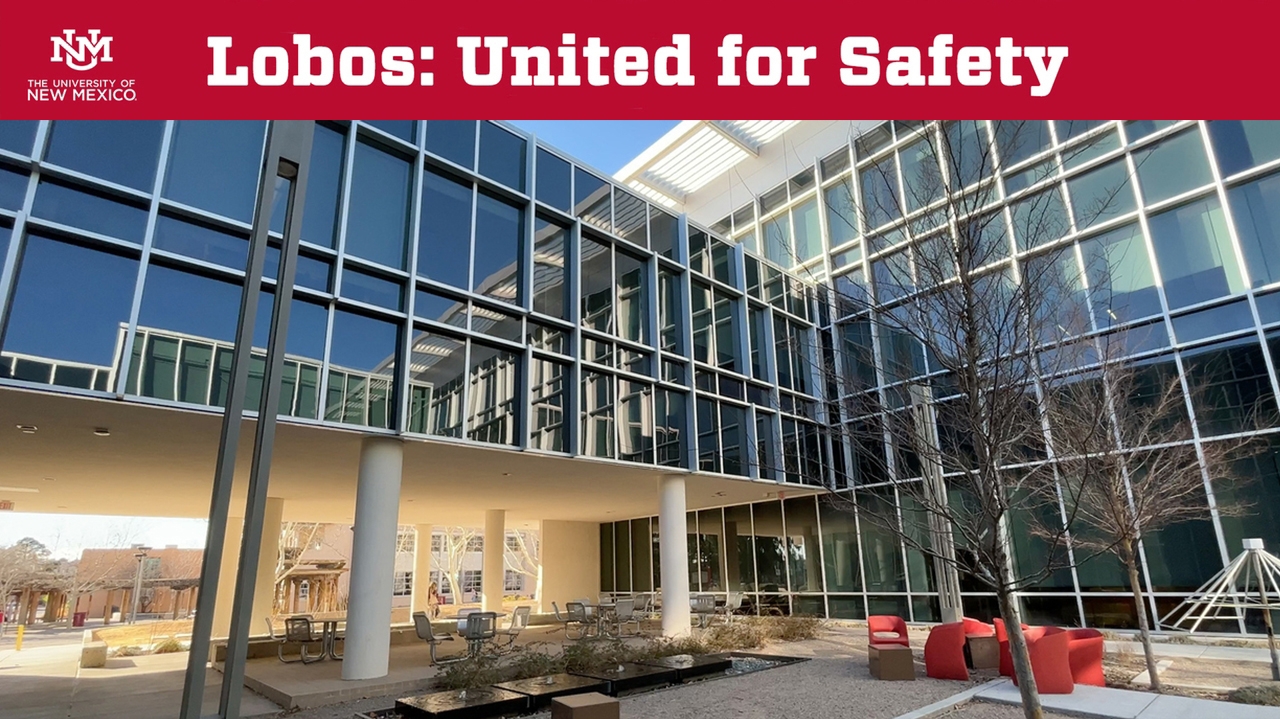
When walking or driving through a space, our instincts can tell us whether an environment feels safe. Dark corners, narrow corridors, or hidden passageways can trigger unease. At The University of New Mexico, campus planners are using architecture, landscaping and urban design to create spaces that feel secure and welcoming.
UNM follows Crime Prevention Through Environmental Design (CPTED), a national strategy that reduces opportunities for crime by shaping the physical environment.
“Designation and definition are central to a university campus and its brand,” said Rosie Dudley, director of Campus Capital and Space Planning. “We want people to immediately know when they’ve arrived at UNM. Our campus character should signal, ‘welcome to the land of the Lobos.’”
CPTED’s “three D’s” — designation, definition, and design — guide campus planning. The third “D” focuses on layout and facilities that support safety and usability.
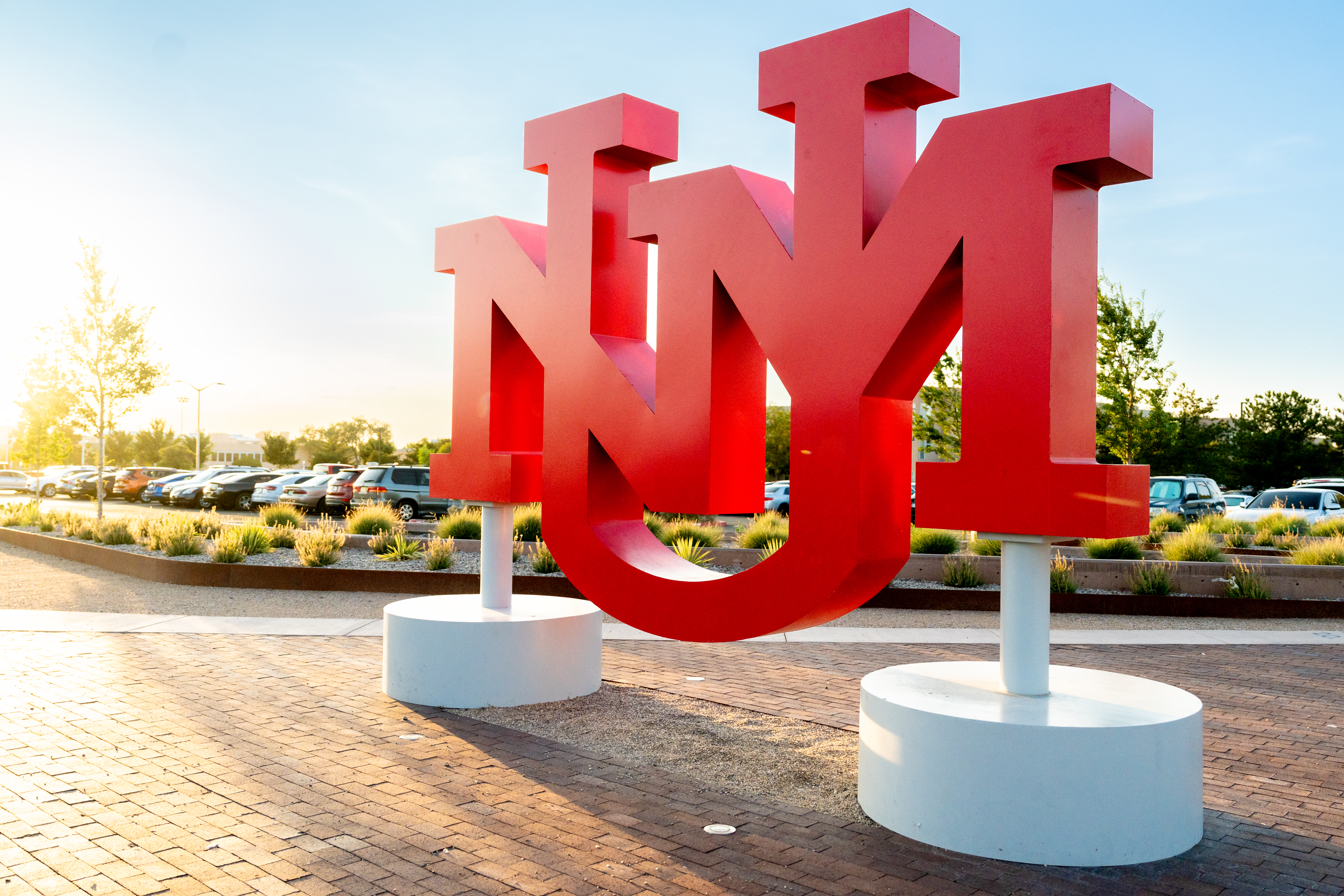
UNM monogram statue off Girard and Central
“It’s about defining critical edges, like Central Avenue and Girard Boulevard. Buildings and certain design elements reinforce that you’re on university property and entering a place for learning and community,” said Kurt Schlough, director of Facilities Design and Construction.
Planning and Facilities teams work closely with architects to ensure that buildings are designed to reduce hiding spaces, make entrances clearly visible and well lit and place windows strategically to maximize natural surveillance.
“We also carry that practice into our renovations, trying to eliminate areas that could be misused,” Schlough added. “We’ve looked for examples where spaces could be easily improved, both inside and around buildings.”
Even small markers, like the new UNM logo sign at Central and Girard, designate campus boundaries and reinforce a sense of safety, while also celebrating UNM.
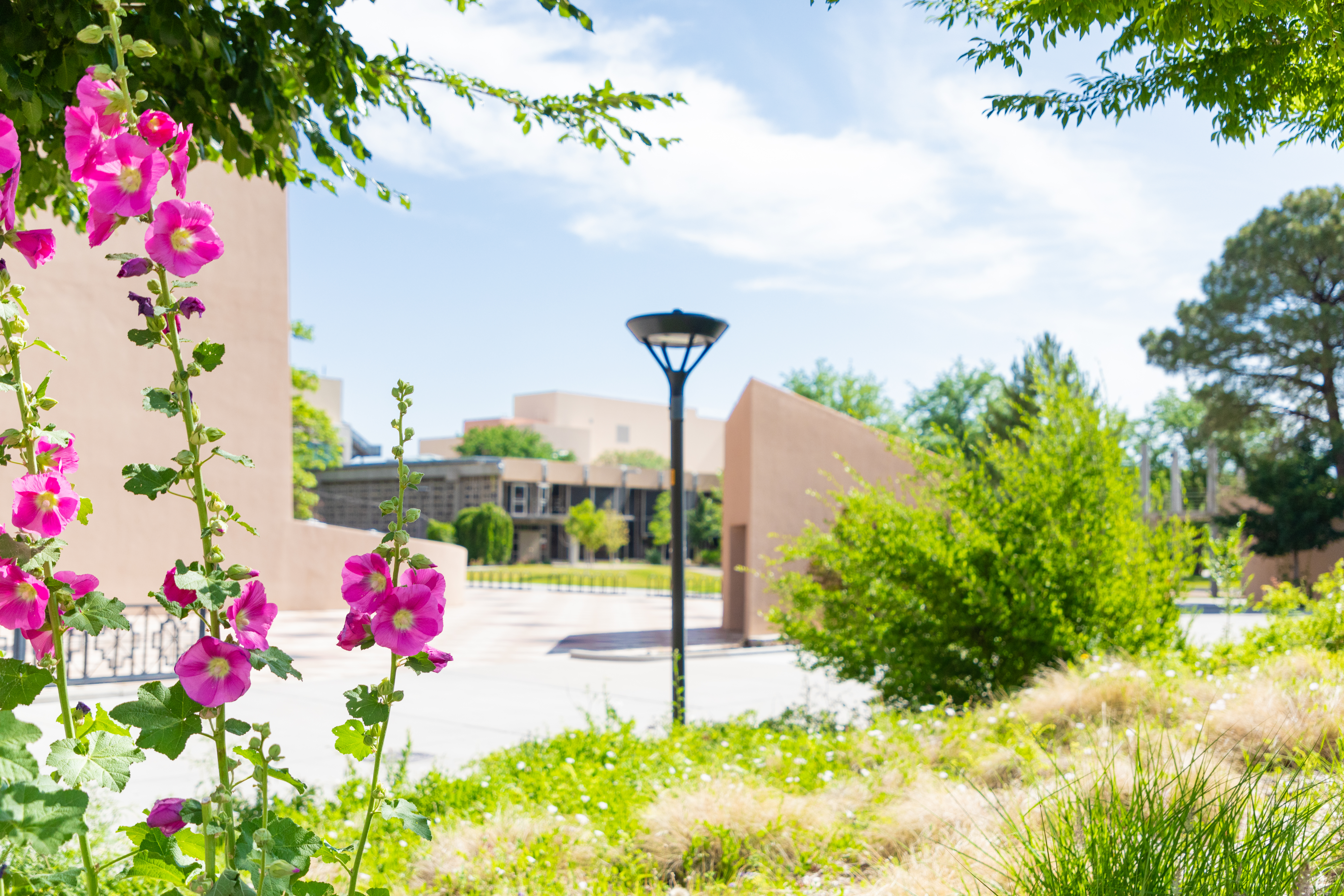
Image of campus with landscaping
Safety is also addressed through landscape and lighting design. Overgrown shrubs, dense trees or hidden areas can create opportunities for unwanted activity. “Any zones that feel forgotten or unattended can attract bad behavior. Facility Services staff works to keep the campus environment clear,” Dudley said.
Native landscaping plays a key role in balancing safety, sustainability, and aesthetics. “UNM is using more native plants that are visually permeable, reducing hiding spots while supporting sustainability goals,” explained Dudley.
Lighting improvements are another major focus. Drone surveys mapped dark spots across campus, guiding targeted upgrades along Cornell Mall, the Duck Pond and other areas. “Visually attractive lighting improves safety at night without conflicting with the New Mexico Sky Protection Act,” Dudley said.
UNM is also enhancing physical security across campus, with plans for gated access to dormitory parking lots. The gates will include key card access for residents and license plate readers to monitor who enters and exits the lots.
“In previous years, you could just walk onto campus without realizing you had reached UNM property. These planned fences and gates are intended to create territoriality and reduce unwanted activity,” Schlough said.
The Redondo vehicle gate project is nearing completion and is expected to be operational in the next two weeks.
Numerous university entities collaborate closely including, but not limited to the UNM Police Department, Facility Services, Facilities Design & Construction, Campus Capital & Space Planning, Office of Compliance, Ethics & Equal Opportunity, and Environmental Health & Safety to ensure all new and renovated spaces meet safety standards, from schematic design through construction and that Lobo community members are kept informed.
Recent and Ongoing Projects
Several projects illustrate these principles in action:
Other ongoing projects include new lighting across parking lots near the currently under-construction, new UNM Police Headquarters building, fences around dorm-associated lots, and improvements along the Mesa Vista corridor. Schlough also highlighted that there are many other security related projects across campus which are in the works.
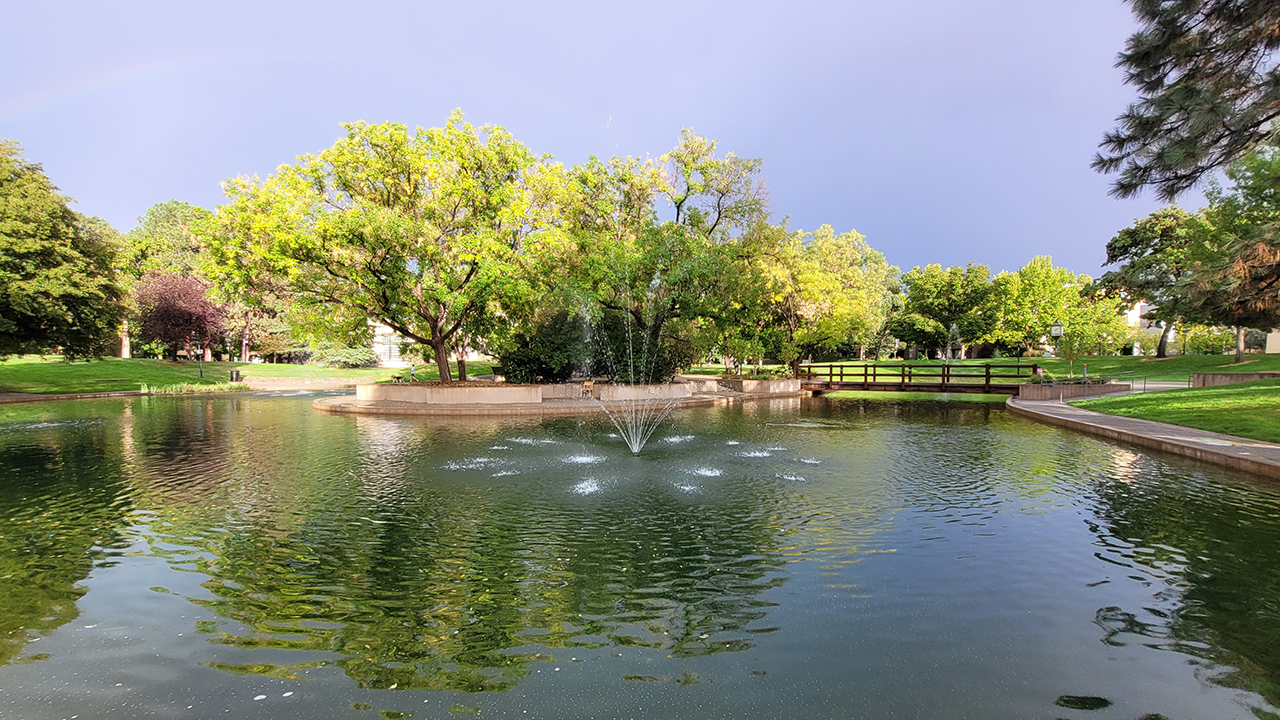
UNM Duck Pond
Modern campus planning at UNM emphasizes openness and community engagement. Historically, buildings turned inward, away from the city, but the current approach integrates the campus with Albuquerque’s urban grid.
“We’re opening out to the community, keeping eyes on the street, and creating spaces that are safe, welcoming and inclusive,” Dudley said.
“By creating spaces that generate activity, we ensure our campus is highly utilized, which naturally deters negative behavior. People are less likely to misuse a space that’s actively used every day by students, faculty and staff,” Schlough added.
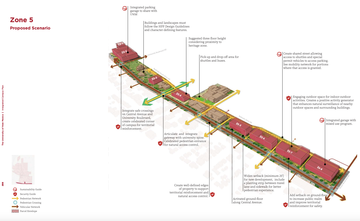
Image taken from Chapter Five of the Integrated Campus Plan showing proposed scenarios for Zone 5
Chapter Five of the Integrated Campus Plan guides much of UNM’s approach to safety and design. It outlines principles across architecture, landscaping and urban planning, showing how future projects can create safer, more welcoming, and connected spaces.
“Anywhere you see ‘little shields’ in the plan represents safety-focused recommendations — from building setbacks and outdoor activity spaces to improved visibility and pedestrian circulation,” Dudley said.
The plan also highlights recent and ongoing projects that support this vision, such as the redesigned Yale and Central entrance with new signage and a meandering path into campus. In partnership with the City of Albuquerque, UNM is also improving pedestrian and bicycle crossings along Central Avenue and University Boulevard, including a new connection to the Buena Vista Bike Boulevard.
“These crossings not only improve safety but also expand access for the campus and wider Albuquerque community,” Schlough added.
CPTED interventions are recognized nationally for reducing crime by up to 20% and fostering a sense of community. At UNM, these strategies combine thoughtful architecture, landscaping, lighting, and security to create an environment that is safe, accessible, and inviting for students, faculty, staff, and the broader Albuquerque community.
Safety is built into every stage of UNM’s campus planning process. From the earliest programming phases through schematic design, development, and construction, input from key stakeholders is integrated into each project. This includes the UNM Police Department, facilities teams, and UNM Alarms, which manages access control, security systems, and fire alarms.
“Security is one of the foremost considerations in our design process,” Schlough said. “At every phase, it’s carefully evaluated alongside other design components to ensure that new and renovated spaces meet our high safety standards.”
Recent initiatives have focused on the residence halls, where 24/7 student living requires a particularly thoughtful approach. “Given recent issues around our residence halls, we’re taking a very sensitive and targeted approach,” Dudley explained. “We’re improving lighting, visibility, and access in ways that enhance safety without making the area feel closed off. Our goal is to ensure students feel both secure and welcomed.”
By embedding safety into both design and day-to-day operations, UNM is creating an environment that is safe, accessible, sustainable, and inviting for all members of its community.
For more information on CPTED principles, visit Crime Prevention programs.
link