‘Rightsizing,’ Wellness Top Design Trends
WASHINGTON, DC — Rightsizing, wellness and resiliency are among the leading architectural trends impacting the nation’s homebuilding and remodeling markets. So is optimizing kitchen space with storage and other functional features, according to Erin Hurley of Denver-based KGA Studio Architects, an award-winning firm that specializes in custom homes and remodels.
In the latest installment of the National Association of Home Builders’ “Design Bites” webcast series, Hurley said that home buyers and remodeling consumers are also “looking to the past for timeless design inspiration, but with a refreshed way of doing so, balancing traditional form with modern elements.”
Although homes are getting smaller, kitchen space is still critical because its purpose extends beyond cooking and eating, Hurley noted. “Optimizing storage needs with pantries or prep kitchens, and including an additional destination like wine storage or a coffee station, are ways to make the kitchen more functional,” she added.
Among the other leading design trends identified by Hurley were:
- Rightsizing and Personalizing: For first-time home buyers, attainable homes are getting smaller because of market conditions, but designers can offer personalized options that allow for details and features such as bold wall colors and unique fixtures.
- Universal Design: Some families care for both small children and aging parents or relatives, so proactively designing living spaces to be inclusive and accessible is important. Design elements that address diverse needs include wide doorways, lever handles and walk-in showers, Hurley observed.
- Natural Connections: Biophilic design – designing with the goal of increasing homeowner connectivity to the natural environment – remains popular among homeowners. “Maximizing natural light and including greenery and organic materials are ways of giving homeowners the indoor/outdoor connection they crave,” Hurley observed.
- Emotional Ties: Colors, shapes and textures can evoke emotion in a living space, said Hurley, adding that details such as a reading nook or large windows can help buyers feel more connected to their home.
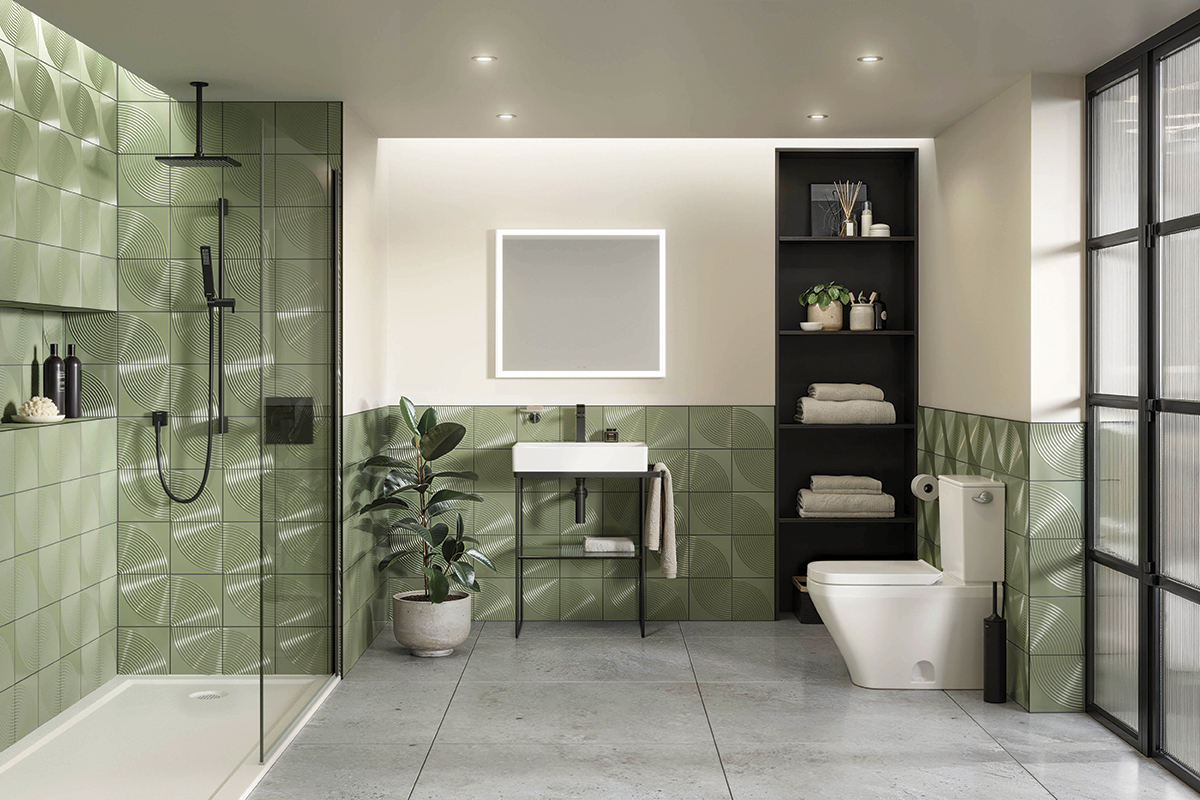
- Health and Wellness: “A home is meant to be a place where one can go to rest and recharge, so there is a large connection between mental health and housing design,” Hurley said. Home gyms, meditation spaces and tranquil bathrooms are examples of designing with health and wellness in mind, she noted.
link