The Original Design Brief For The Porsche 911 Had One Element That Was Almost Immediately Ignored
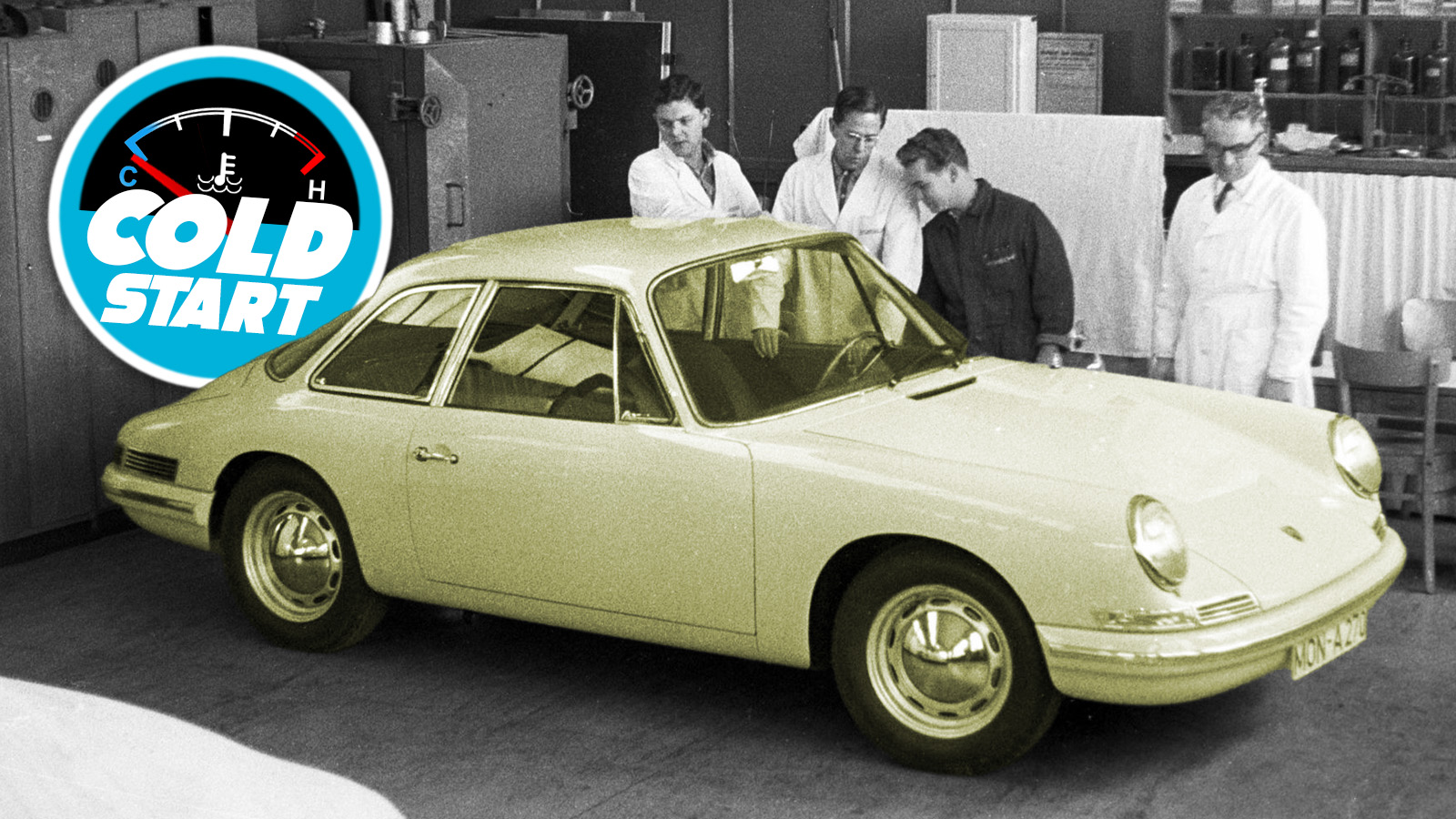
Even though I’m more likely to be able to afford to buy coastal real estate on the moon than an early Porsche 911, I’ve always really liked those early Porsches. I mean, I love the 356, too, especially because of my Volkswagen Beetle fetish, but there’s something about the way that Beetle-356-911 evolution happened that makes those early 911s really appealing.
I was thinking about the 911’s design, how it evolved from the 356 in a way that updated the look while retaining the essential visual elements and overall clean design language, so I looked into some of the intermediate design steps between the 356 and the 911 and found something fascinating.


Well, fascinating to me, at least. This is really just a detail, a forgotten footnote, but nevertheless one I think is really interesting. It has to do with the initial design brief for what would become the 901 (later 911, after Peugeot got fussy about number-names with a 0 in the middle), although even calling this a “design brief” is overly generous. It’s the notes that Ferry Porsche wrote about what he wanted the successor to the 356 to be:
“2-seater with 2 comfortable jump seats. Rear view mirror integrated in the wings. Easier entry.”
So, basically, he wanted something a little roomier than the 356 with some sort of occasional seating in the rear, easier to get in and out of, and, the part that caught my attention, a “rear view mirror integrated in the wings.” What? Wing mirrors have never really been part of the 911!
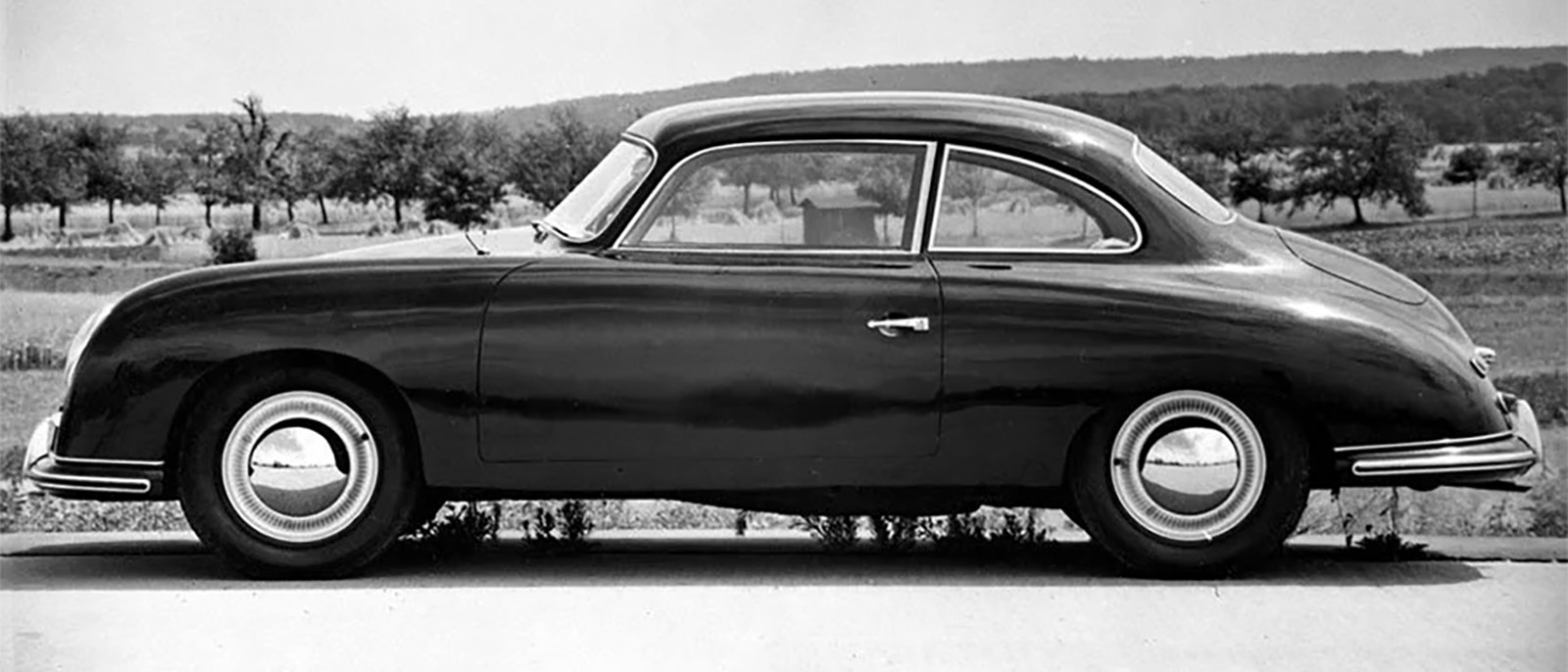
The more seats/more room part had been a goal for a while; an early 356 styling update exercise tried making a longer, notchback-style 356 with bigger doors, known as the 530, designed by Beetle and 356 designer Erwin Komenda:
So that part of Ferry’s list of goals wasn’t surprising, really. But that wing mirror thing feels so specific, and of the few criteria he mentioned, it’s the only one that had nothing to do with size and interior room.

When we look at one of the early 911 prototypes, the 1959 Porsche Type 754 T7 (also called the 695) above there, we can see that yes, there is a wing mirror perched proudly there. This was the prototype that really defined the look of the 911, and if you look at it from the A-pillar forward, it pretty much is the 911:
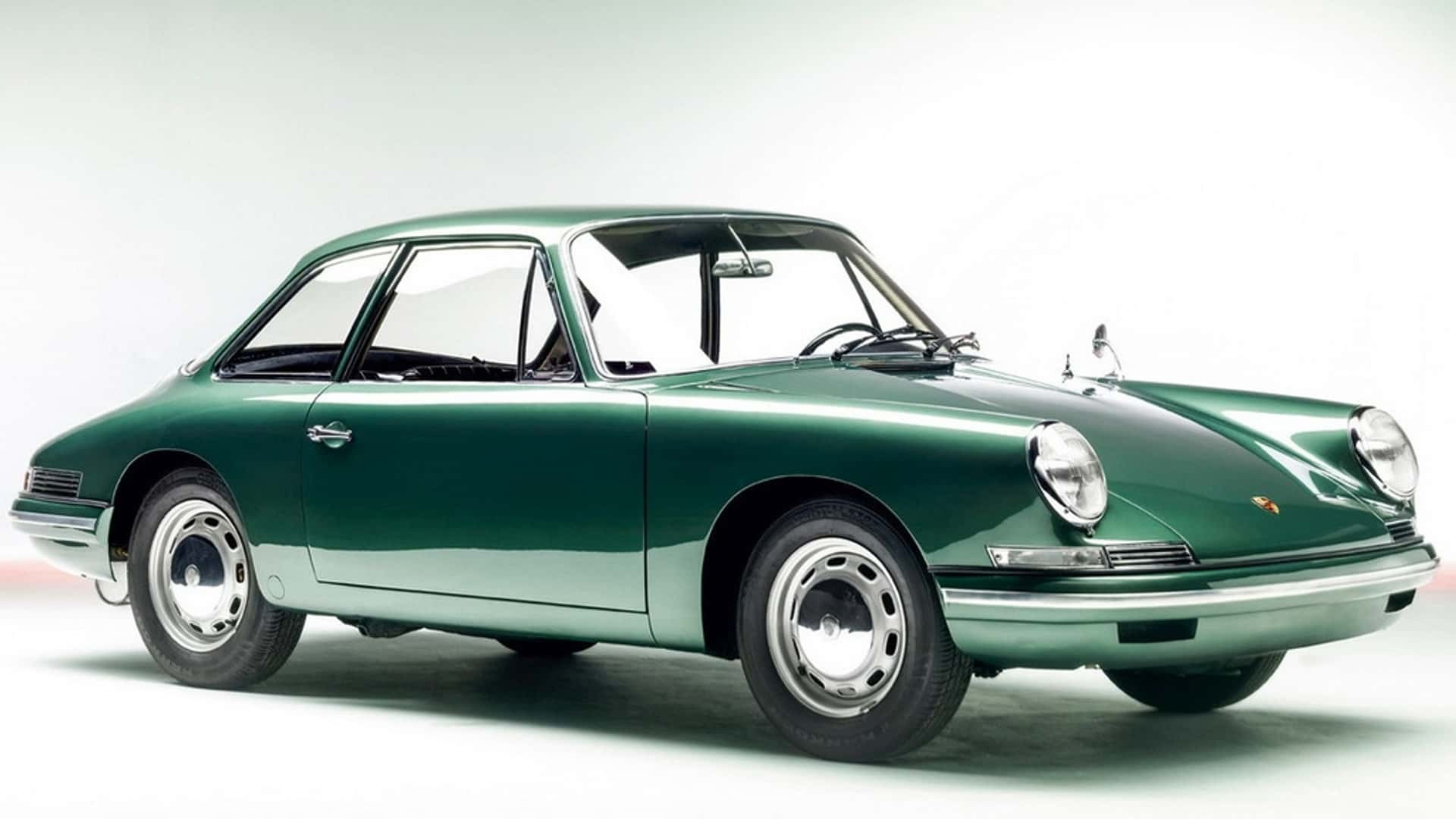
The rear notchback-style was later abandoned for the more traditional Porsche fastback design, which kept the car feeling more like an evolution of the 356, but it is pretty remarkable how early the 911 look was established.
Also, if you watch that walkaround video, note how cool those dash controls are.
This prototype seems to be the only one that adhered to Ferry Porsche’s request for a wing mirror, though! There were plenty of other fascinating design studies for the 911, many of which diverged from the basic Porsche design vocabulary a good bit:
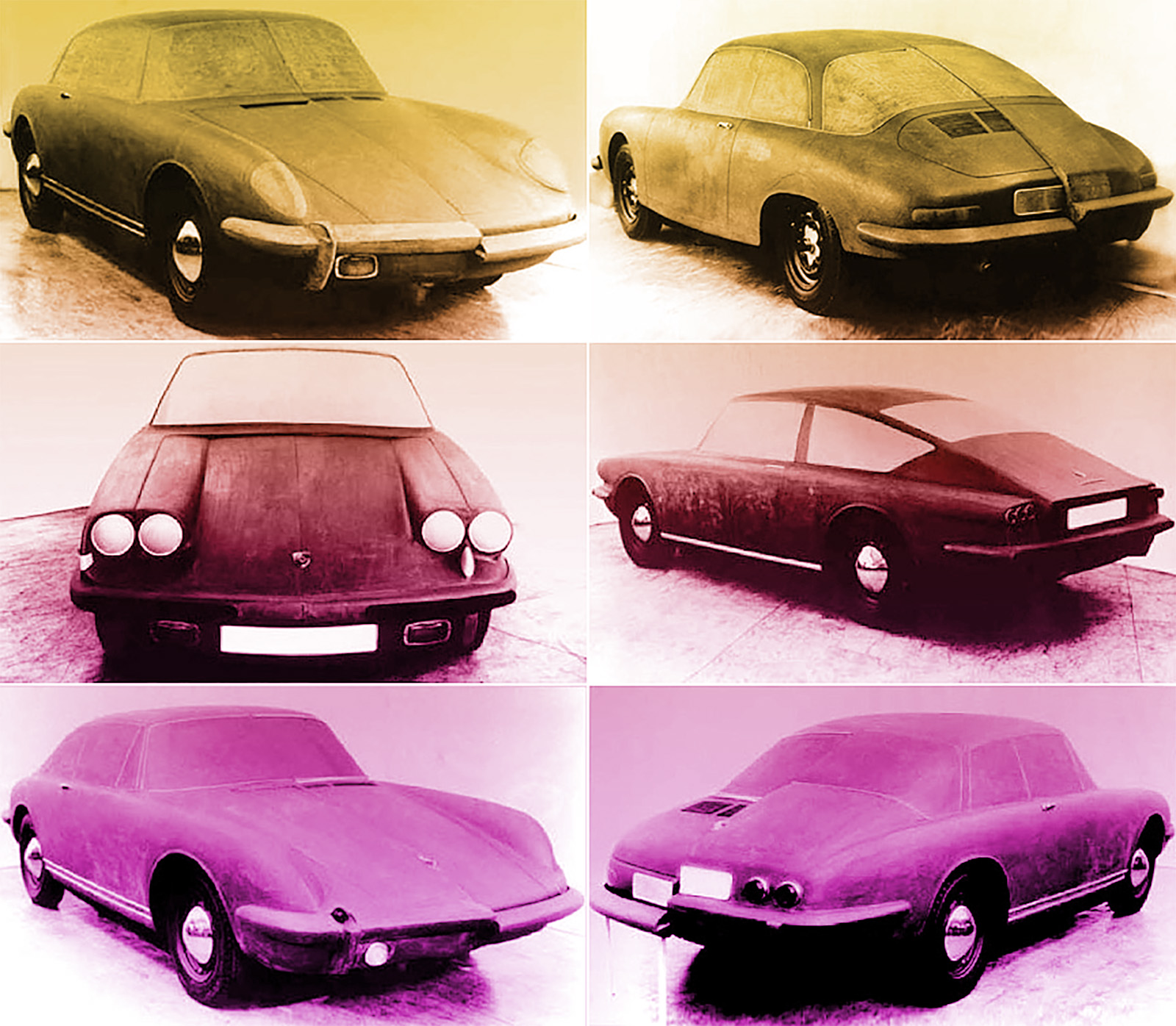
Those quad-headlamp ones are really interesting; they were done by Count Albrecht von Goertz, the designer of the lovely BMW 507, but they really don’t feel like Porsches. I do like the interesting indicator placement on the right side of that quad-headlight one up there, though.
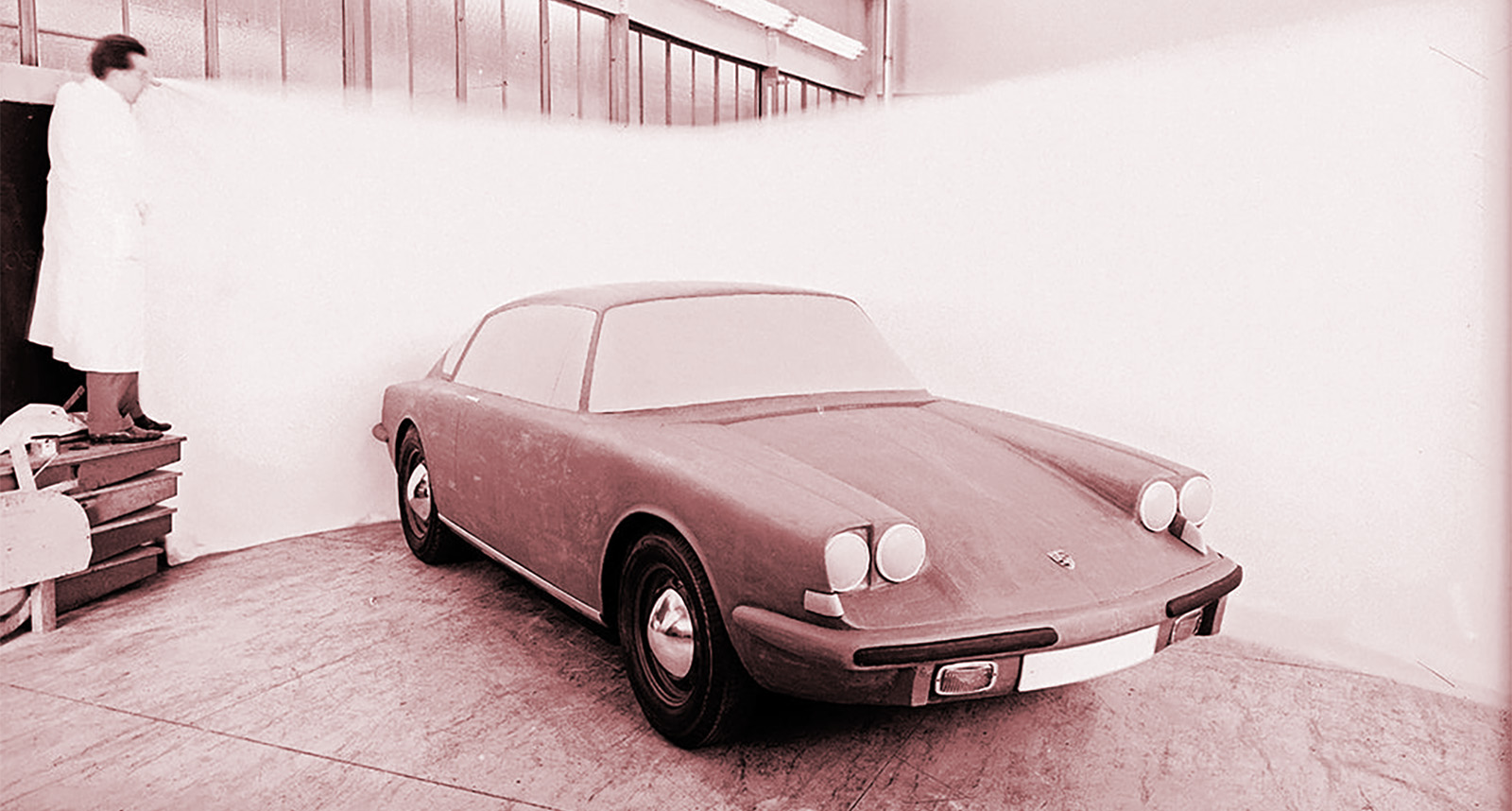
There’s a better view of that particular study; it’s interesting in just how un-Porsche-like it is. It feels maybe a bit like an early Lamborghini? It’s pretty cool looking, just not a Porsche.
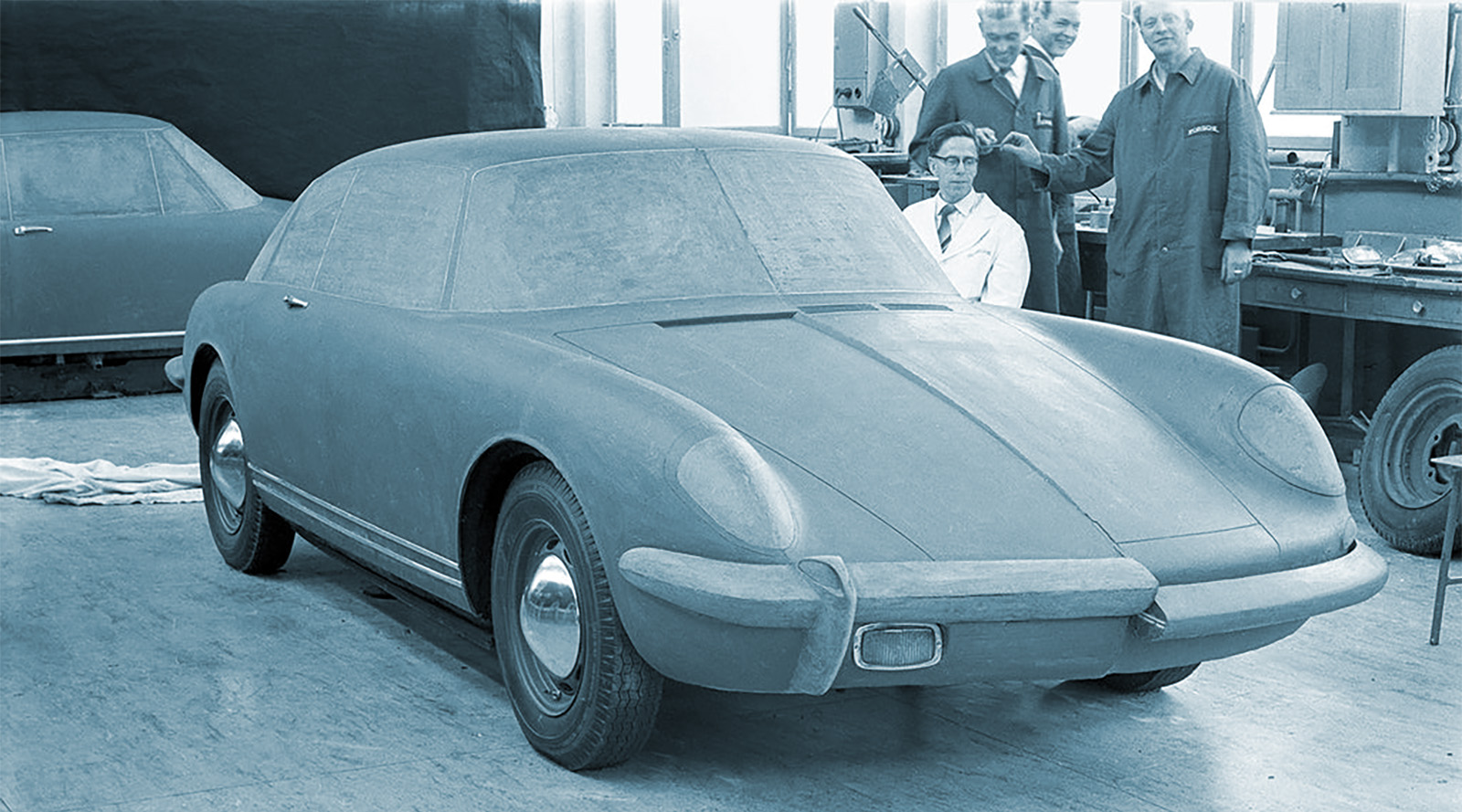
This one also doesn’t feel terribly Porsche-like, but it is lovely. Maybe more Italian-feeling, too. And Porsche seemed really committed to making sure add-on driving lights worked in these designs, it seems.
This isn’t really the place for a really, really deep design dive into how the 911 evolved, but I do think it’s interesting how that one key detail that Ferry Porsche felt compelled to note specifically in the early design was so completely abandoned. Why was Ferry so into wing mirrors, and how did they talk him out of it? Was this something he gave up as a compromise for something else? I’m very curious.
I did get to drive a really early 901 once, and it was fantastic. You can watch it here, along with me spinning out a 356 America, like an idiot:
Top graphic image: Porsche
link